

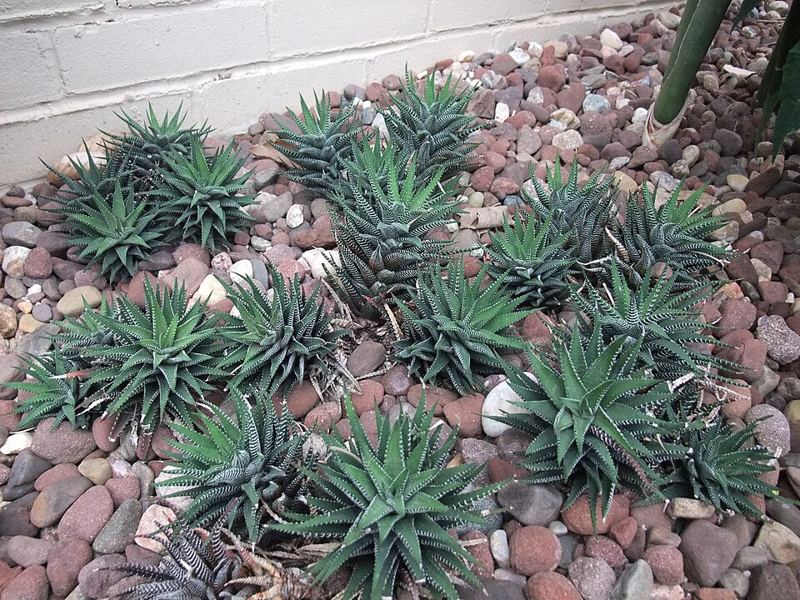
Haworthia is a small rosette succulent that suits a bright windowsill, a gritty fast-draining mix and a watering routine that lets the soil dry between drinks. UW-Madison Extension describes haworthias as small succulents from South Africa that are adapted to shade, which makes them well suited to the lower light found in homes, and says many species produce offsets freely. The ASPCA lists haworthia as non-toxic to dogs and cats. This page follows UW-Madison’s guide to haworthias, which covers the group in general.
Light
UW-Madison says haworthias grow well in an east or west window with a few hours of direct light daily and bright indirect light for the rest of the day. A south window may be acceptable, but it says it can be too bright for some species unless the sun is filtered through light, sheer curtains. The reason, in UW-Madison’s words, is that in their native range haworthias are adapted to shade, so the lower light in homes suits them. For other plants that like the same conditions, see our list of bright indirect light plants.
Water
UW-Madison says to allow the medium to dry between waterings. If the soil mix is well drained, haworthias can be watered weekly in the summer months, and less frequently in winter. That “weekly” figure depends on the drainage: a mix that holds water will not dry in a week.
Overwatering is the problem to avoid. UW-Madison says prolonged wet, cool soil under low light can lead to root rot, which it calls a common problem with haworthias. Our guide to watering houseplants compares how often different plants want water.
Soil
Like other succulents, UW-Madison says, haworthia requires a well-drained potting medium. It suggests mixing a good commercial potting medium with equal amounts of drainage material, such as perlite, aquarium gravel, poultry grit or horticultural pumice. It says not to use sand, which can be overly fine and clog soil pores.
Pots
UW-Madison notes that terra cotta pots are porous and dry out faster than ceramic or plastic ones, which helps if the mix tends to stay wet. Some haworthias are slow growing and can stay in the same pot for years, and UW-Madison says there may be a tendency to forget to repot into fresh soil. When the plant is due, repot into fresh succulent mix. Our repotting guide has the steps.
Temperature
UW-Madison says haworthias do best in the 75 to 90°F range. They can tolerate temperatures into the low 40s°F, especially if they do not have continuously wet soil, and it says some can survive light frost briefly. That is a long way below the best range, so treat the cold figure as a tolerance rather than a target.
Propagation
UW-Madison says vegetative propagation is the most common method. Most haworthia species cluster from the base and produce new young plants, often called offsets or pups. These can be divided from the parent, and UW-Madison says they often root right away. It says to let any wounds air-heal for a few days before repotting.
Common haworthia problems
Pets
The ASPCA lists haworthia as non-toxic to dogs and non-toxic to cats. See our guide to pet-safe houseplants for how we cite pet information and more plants to compare.
A simple routine
- Pick an east or west window. A few hours of direct light plus bright indirect light (UW-Madison).
- Plant in a gritty mix. Equal parts potting medium and drainage material, without sand (UW-Madison).
- Let it dry between waterings. Weekly in summer if the mix drains well, less in winter (UW-Madison).
- Divide offsets to make more. Let wounds air-heal a few days before repotting (UW-Madison).
Grow these next
If you like small, low-water succulents, the aloe vera plant is another succulent that likes its soil to dry between waterings. Jade plant wants more direct sun, and string of pearls trails from a shelf.
More houseplant care guides
For side-by-side comparisons, see low-light plants, easy houseplants and how to fertilize houseplants.
Frequently asked questions
How much light does haworthia need?
UW-Madison Extension says haworthias grow well in an east or west window with a few hours of direct light a day and bright indirect light the rest of the day. A south window may be acceptable but can be too bright for some species unless the sun is filtered through light, sheer curtains.
How often should I water haworthia?
UW-Madison says to allow the potting medium to dry between waterings. If the mix is well drained, it says haworthias can be watered weekly in the summer, and less often in winter.
Is haworthia safe for cats and dogs?
The ASPCA lists haworthia as non-toxic to dogs and non-toxic to cats.
How do I propagate haworthia?
UW-Madison says vegetative propagation is the most common method. Most haworthia species cluster from the base and produce offsets, which can be divided. It says to let any wounds air-heal for a few days before repotting.
What temperature does haworthia like?
UW-Madison says they do best at 75 to 90°F and can tolerate temperatures into the low 40s°F, especially if the soil is not continuously wet.
Sources
- Haworthias: Super Succulents for Small Spaces, University of Wisconsin-Madison Extension Horticulture
- Haworthia, ASPCA Animal Poison Control
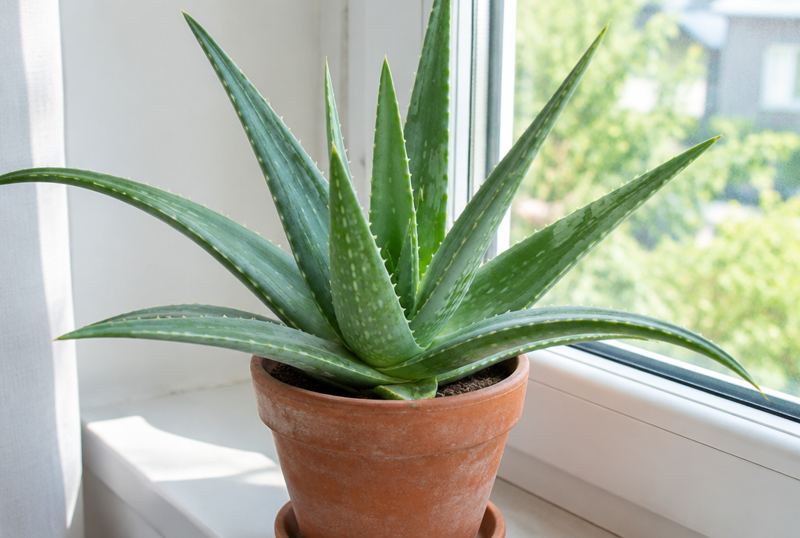 Aloe Vera
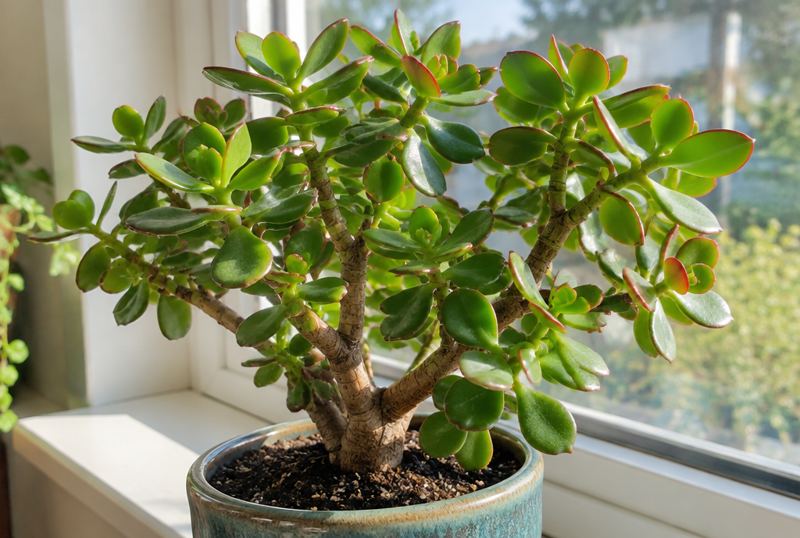 Jade Plant
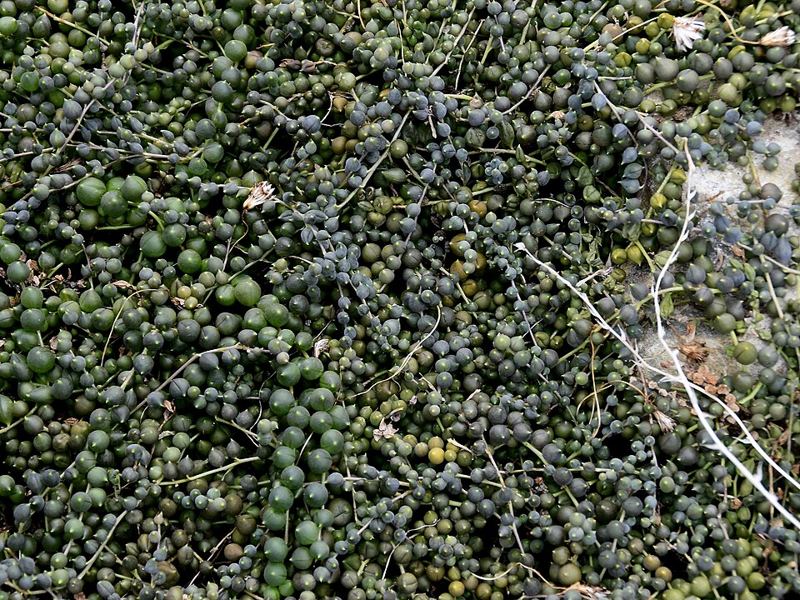 String of Pearls