

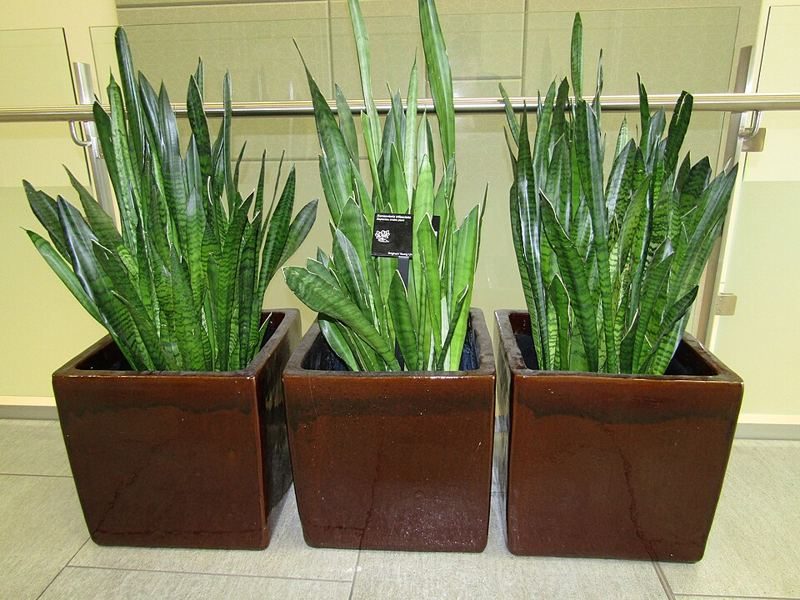
The snake plant is one of the most forgiving houseplants you can own: give it bright, indirect light if you can, let the soil dry between waterings, and it will put up with a lot. Penn State calls it a forgiving, low-maintenance houseplant, and UGA says it is adapted to the low humidity and normal temperatures of homes and businesses. The one thing that reliably kills it is too much water. The ASPCA lists it as toxic to dogs and cats, so it is worth thinking about where you set the pot if you share your home with pets.
Light
Clemson says the ideal light for a snake plant is bright and indirect. Penn State agrees that it enjoys bright indirect light, and adds that it tolerates low-light areas very well. NC State goes further and says it will tolerate very low light. That makes it one of the easier plants for a dim room, even if brighter light is the ideal.
Direct sun is where the sources disagree. Penn State says to keep it out of the direct sun, as it can burn. NC State says to place it where it receives direct sunlight only part of the day, 2 to 6 hours. Clemson sides with bright, indirect light. The safe middle is a spot near a window where the sun does not hit the leaves for long stretches. If you want to try direct sun, work up to it gradually and watch for scorched leaves. Our snake plant light requirements guide walks through each source in more detail.
Water
Water is the most important part of snake plant care, and the sources are consistent about it. NC State says to allow the soil to dry between waterings from spring to autumn, and that careful watering is a must because overwatering may cause root rot. Clemson puts numbers on it: every 2 to 4 weeks during the growing season, cutting back to every 4 to 6 weeks in fall and winter. NC State’s winter figure is every one to two months.
Those ranges overlap, and none of them replaces checking the pot. Push a finger into the soil and water only when it is dry. Clemson warns that a snake plant can develop root rot and soggy leaves if it is watered too frequently, and its advice is to err on the side of caution.
Humidity and temperature
Humidity is not a concern. NC State says the plant tolerates low humidity and cool temperatures around 50°F, and UGA says it is adapted to the low humidity and normal temperature ranges of homes and businesses. None of our sources gives a target humidity percentage or a minimum temperature beyond that 50°F figure, so we do not give one either.
Soil and repotting
Use a mix that drains quickly. Penn State suggests a cactus potting mix or one with perlite. UGA says to use a quick-draining potting medium and to choose a heavy pot, because taller plants can topple over. NC State asks for well-drained soil.
Repotting is infrequent. Penn State says the plant likes fresh potting media about every 5 years. UGA says it needs a larger pot every few years as it grows, because the roots have been known to bust pots. A snake plant that is cracking its container is telling you it is time.
Feeding
Fertilizer is optional. Penn State says that for a more robust plant, you can fertilize monthly during the growing season with an all-purpose fertilizer at half strength. The other sources do not give a feeding schedule, so a plant that skips fertilizer is not breaking any sourced rule.
Propagation
You can make new plants two ways. Penn State says it is most easily propagated by division: take the plant out of its pot, divide it and repot the sections in fresh soil. UGA says leaf cuttings or division during repotting both work. Our snake plant propagation guide covers both methods and what the sources do and do not say about each.
Choosing a spot and a pot
Pick the spot by light first. A bright room away from long stretches of direct sun matches Clemson and Penn State, and a dim room is acceptable because both Penn State and NC State say the plant tolerates low light. Temperature is rarely a deciding factor: UGA says it is adapted to the normal temperature range of a home, and NC State says it tolerates cool rooms around 50°F.
Then pick a pot to match the plant. UGA recommends a heavy-weight pot so taller plants do not topple over, and a quick-draining potting medium. It also notes that the roots have been known to bust pots, which is why it says to repot into a larger pot every few years. Our sources do not give a pot size rule or say whether the pot needs drainage holes, so use your own judgment there and keep watering careful.
A simple routine through the year
- Spring to autumn: water when dry. Allow the soil to dry between waterings (NC State). Clemson’s range is every 2 to 4 weeks, but the soil, not the calendar, decides.
- Winter: water much less. NC State says every one to two months. Clemson says every 4 to 6 weeks in fall and winter. Err on the dry side.
- Feed lightly, if at all. Penn State’s option is an all-purpose fertilizer at half strength, monthly in the growing season.
- Check the pot every few years. UGA says the roots fill the pot over time and can bust it. Move up to a slightly larger, heavy pot when that happens (UGA).
- Look under the leaves now and then. NC State says to monitor for mealybugs and spider mites.
Pests and problems
UGA says snake plants have few pests and that overwatering may be the biggest disease threat. Penn State says mealybugs and spider mites occasionally bother this plant. Our sources give no treatments, so check the leaves when you water and isolate a plant that looks infested.
Pets
The ASPCA lists the snake plant as toxic to dogs and toxic to cats, naming saponins as the toxic principle. Penn State says that if you have a pet, note that all species of snake plant are toxic because they contain saponin toxins. Our snake plant pet safety page lays out exactly what the ASPCA says and what to do if a pet chews a leaf.
Size and flowering
Penn State says the straight species can grow up to 4 feet tall. UGA says cultivars range from dwarfs of 6 to 7 inches to plants with leaves 2 to 4 feet tall. Flowers are rarely seen on indoor plants (NC State, UGA), so grow it for the leaves.
What our sources do not tell you
Our sources do not give a USDA zone for growing it outdoors, a humidity percentage, a pot size rule, or a treatment for pests. The plant was formerly called Sansevieria trifasciata, and the ASPCA page still lists it under that name, so search for either if you look up pet information yourself. If a detail matters and is missing here, check your state extension office.
Grow these next
If you like a plant that tolerates neglect, the peace lily wants more regular water, and the pothos trails from a shelf or hanging pot. Both are covered in our guides, with the same extension-sourced approach.
More houseplant care guides
For side-by-side comparisons across all our plants, see how often to water houseplants, repotting houseplants, low-light plants and which houseplants are safe for pets.
Frequently asked questions
How often should I water a snake plant?
Let the soil dry between waterings. Clemson says every 2 to 4 weeks in the growing season and every 4 to 6 weeks in fall and winter. NC State says every one to two months in winter. All three agree that overwatering, not neglect, is the danger.
Can a snake plant live in low light?
Yes. Penn State says it tolerates low-light areas very well, and NC State says it tolerates very low light. Clemson still calls bright, indirect light ideal, so a dim corner works but a brighter spot suits the plant best.
Is a snake plant toxic to cats and dogs?
The ASPCA lists the snake plant as toxic to dogs and toxic to cats. Penn State adds that all species of snake plant contain saponin toxins. Our pet safety page has the details and what to do.
How do I propagate a snake plant?
Penn State says it is most easily propagated by division, and UGA says division at repotting or leaf cuttings both work. Our propagation guide covers each method.
Do snake plants flower indoors?
Rarely. NC State says flowers are rarely seen on indoor plants, and UGA says flowering and fruiting rarely happen with snake plants grown indoors.
Sources
- Dracaena trifasciata (Mother-in-law's Tongue), NC State Extension Plant Toolbox
- Snake Plant: A Forgiving, Low-Maintenance Houseplant, Penn State Extension
- Exciting Houseplant Selections for Beginners, Clemson Cooperative Extension, Home and Garden Information Center
- Snake Plant: A Striking and Durable Houseplant, University of Georgia Extension, Forsyth County
- Snake Plant, ASPCA Animal Poison Control
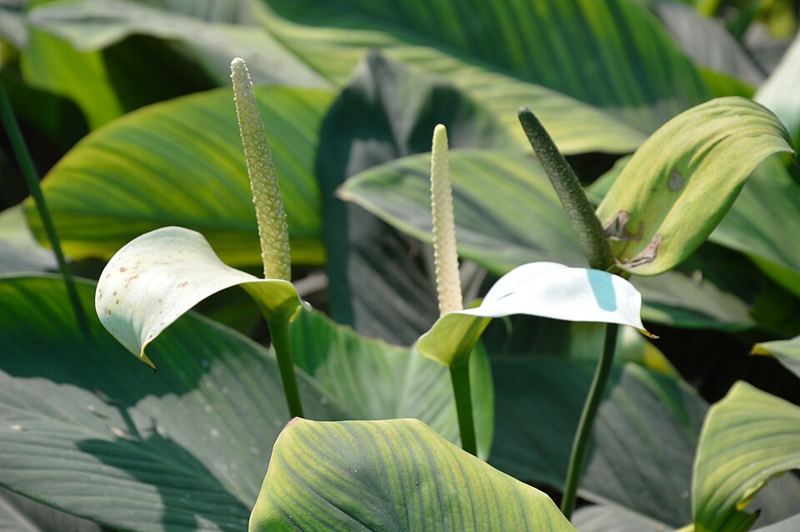 Peace Lily
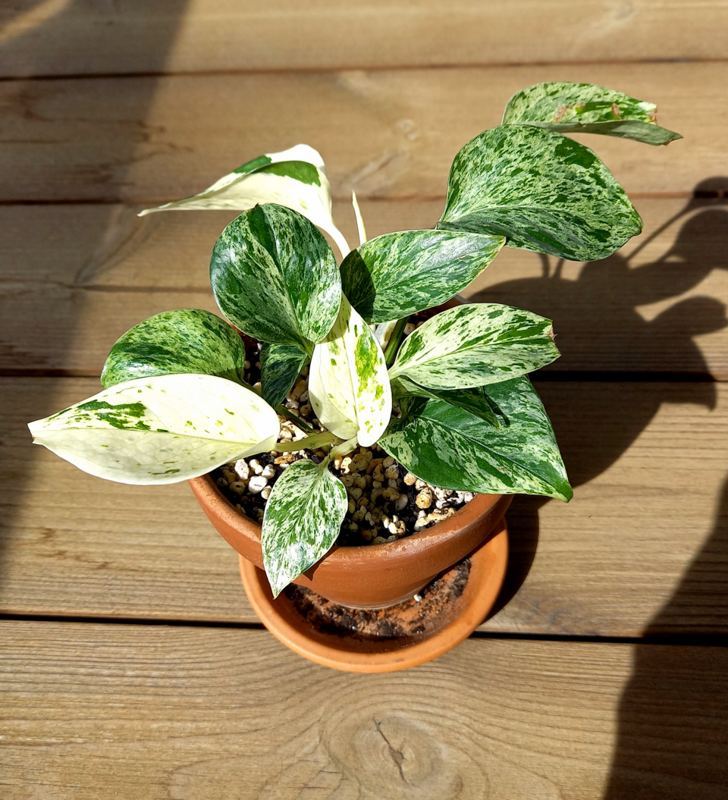 Pothos