

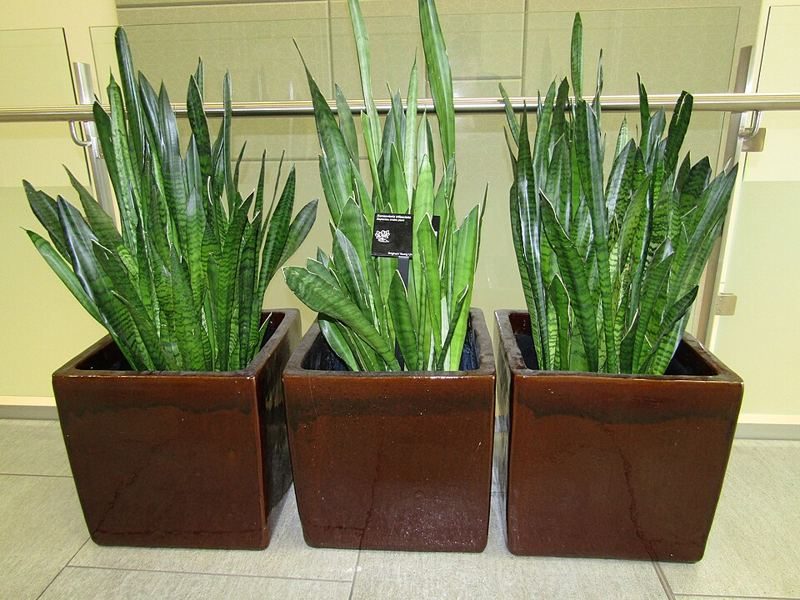
Two methods are documented for making new snake plants: dividing an established plant, and taking leaf cuttings. Penn State says division is the easier of the two, and UGA says the plants are easy to propagate either way. This guide sits under our main snake plant care guide and sticks to what the extension sources say. They are brief, so we also tell you where they stop.
Division: the method Penn State recommends
Penn State’s wording is direct: while you can take leaf cuttings to begin new plants, it is most easily propagated by division. UGA ties the same method to repotting, saying division of plants during repotting is an easy way to make more.
- Take the plant out of its container. Penn State’s instruction is to remove the plants from the container. A snake plant that has filled its pot is the natural candidate.
- Divide it. Penn State says to divide them. The sources do not say how many leaves each section needs or how to separate tightly packed roots, so use your judgment and keep some roots with every section.
- Repot with new soil. Penn State says to repot with new soil. A cactus mix or one with perlite is its pick for snake plants (Penn State), and UGA asks for a quick-draining potting medium.
When to divide
There is no separate calendar for division in our sources. Because both Penn State and UGA connect it to repotting, the practical answer is to divide when the plant needs a new pot anyway. Penn State says snake plants like fresh potting media about every 5 years, and UGA says they need a larger pot every few years because the roots have been known to bust pots. A cracked or bulging container is a clear sign that division is due.
Leaf cuttings
Both sources confirm that leaf cuttings work. Penn State says you can take leaf cuttings to begin new plants, and UGA says snake plants are easy to propagate from leaf cuttings. That is the full extent of it. We found no instructions in these sources for how long a cutting should be, which end goes into the medium, whether to root it in water or soil, or how many weeks to wait. We will not guess at those details here.
One thing the sources do help with is what comes after. A cutting that roots will need the same conditions as the parent plant, described in our care guide: a quick-draining mix, bright indirect light if possible, and water only when the soil has dried (NC State, Penn State, Clemson).
Aftercare for new plants
New divisions are small versions of an established plant, so the usual snake plant rules apply.
- Soil: a cactus mix or one with perlite (Penn State), or a quick-draining medium (UGA).
- Water: let the soil dry between waterings. NC State warns that overwatering may cause root rot, and UGA says the roots rot in soggy soil.
- Light: bright, indirect light is ideal (Clemson), and the plant tolerates low light very well (Penn State). Our light requirements guide covers where the sources disagree.
- Feeding: Penn State says an all-purpose fertilizer at half strength, monthly in the growing season, makes for a more robust plant. It does not say to feed new divisions.
Pets and propagation
The ASPCA lists the snake plant as toxic to dogs and toxic to cats. Cuttings and divisions are the same plant, so keep trimmings and offcuts away from pets while you work. Our pet safety page has what the ASPCA says.
What our sources do not tell you
The sources do not say how long roots take to form, whether to use rooting hormone, how to cut a leaf, or what to do with a leaf that rots. They also do not give a best season. If you want a detailed step-by-step on leaf cuttings, ask your state extension office or a master gardener helpline. For everything else about the plant, go back to the snake plant care guide.
Frequently asked questions
What is the easiest way to propagate a snake plant?
Penn State says a snake plant is most easily propagated by division. You remove the plant from its container, divide it and repot the sections in new soil.
Can you grow a snake plant from a leaf cutting?
Yes. Penn State says you can take leaf cuttings to begin new plants, and UGA says they are easy to propagate from leaf cuttings or by division during repotting. Neither source gives rooting times or cutting instructions.
When should I divide a snake plant?
UGA ties division to repotting. Penn State's repotting timing is about every 5 years with fresh potting media, and UGA says every few years into a larger pot as the roots fill the container.
What soil should I use for the new plants?
Penn State says to repot divisions with new soil, and recommends a cactus potting mix or one with perlite for snake plants. UGA recommends a quick-draining potting medium.
Sources
- Snake Plant: A Forgiving, Low-Maintenance Houseplant, Penn State Extension
- Snake Plant: A Striking and Durable Houseplant, University of Georgia Extension, Forsyth County
- Dracaena trifasciata (Mother-in-law's Tongue), NC State Extension Plant Toolbox