

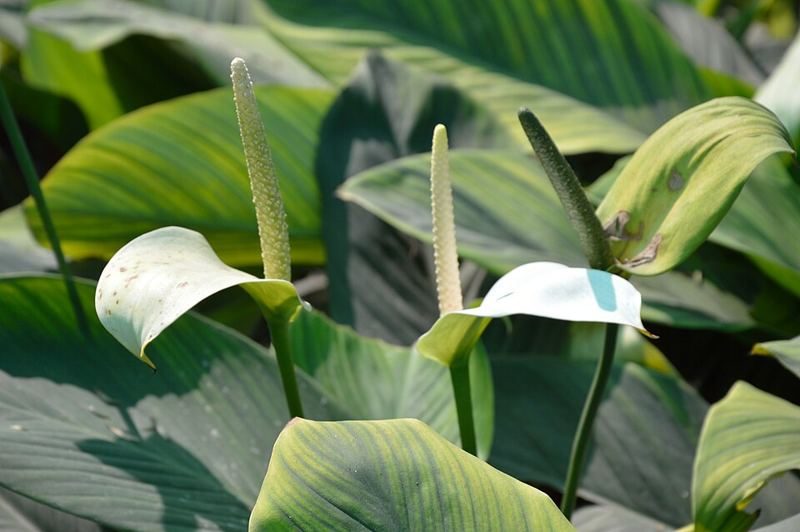
The peace lily is a houseplant that tolerates low light but grows best in bright, indirect light, and it wants soil that stays moist without ever turning soggy. That is Clemson’s summary, and UF/IFAS agrees on the light and the water. It is one of the few foliage plants Clemson says will flower in low light. The ASPCA lists it as toxic to dogs and cats, so think about where you put it if you have pets.
Light
Clemson says peace lilies tolerate low light conditions but grow best in bright indirect light. UF/IFAS EDIS gives the same light requirement: bright, indirect light, with no direct sun. UF/IFAS Gardening Solutions says to keep your peace lily in a well-lit area, but out of direct sunlight.
The warning is consistent. Clemson says they should not be placed in direct sun because the heat will scorch the foliage. So the target is a bright room with the sun kept off the leaves. A dim corner is survivable, according to Clemson, but the plant grows best with more light. The sources do not give window directions or foot-candle figures, so we do not either.
Water
Water is where most peace lily problems begin. Clemson says the soil should be kept moist but not soggy and allowed to dry out slightly between waterings. After watering, never let the plant sit in a saucer of excess water, because Clemson says this will lead to root rot. UF/IFAS EDIS says to keep it moist but not allow the plant to sit in water, and UF/IFAS Gardening Solutions says they like damp soil but to avoid overwatering.
None of the sources gives a day count, so use the soil to decide. The balance you are aiming for is soil that never stays wet for long and never dries out completely. Both extremes show up as leaf problems later in this guide. Our yellow leaves guide goes through them.
Temperature and humidity
Temperature (Clemson)
Temperature (UF/IFAS EDIS)
Humidity
Soil and repotting
Clemson says peace lilies will flourish in almost any well-drained potting mix. UF/IFAS EDIS prefers a rich, organic, peat- or bark-based bagged potting soil. Clemson wants good drainage, and neither source asks for a special blend.
Peace lilies like to be slightly pot-bound, says Clemson, but it is time to repot if roots start growing through the drainage holes or circling on top of the soil. Pick a container just one to two inches larger than the original. Clemson warns that a pot that is too large may keep the potting mix too wet and lead to root rot. Our repotting guide has the details.
Feeding
The sources disagree here. Clemson says to use a balanced liquid houseplant fertilizer, such as 20-20-20, every six to eight weeks in the spring and summer growing season, mixed at one-quarter of the recommended strength. UF/IFAS EDIS says to apply a low dose of liquid fertilizer, following the manufacturer’s instructions, three times per year. That is a big gap, so the lighter schedule is the safer start. Clemson also warns that overfertilizing can cause the leaf tips and roots to burn and turn brown.
Propagation
UF/IFAS Gardening Solutions says to propagate your peace lily by division in the spring. The sources do not give step-by-step instructions, but the idea is to separate a crowded clump into sections and pot each one. Repotting is a natural time to do it, since roots circling the pot show that the plant has filled its space.
Flowering
UF/IFAS EDIS says that with proper plant care, Spathiphyllum may produce blooms year after year. Clemson says lack of flowering usually occurs when plants are less than a year old or are growing in insufficient light. Clemson also says peace lilies are one of the few foliage plants that will flower in low light, which sits a little awkwardly beside its other advice. In practice, if your plant is mature and not flowering, more light is the first thing to try.
Reading the plant: too wet, too dry or too much food
Clemson’s problem list works as a quick diagnostic, because the three main stresses show up differently.
Too wet
Too dry
Too much fertilizer
Clemson also notes that leaf tissue between the veins may turn yellow while the veins stay green. It does not say what causes that pattern in the passage we recorded, so we leave it as an observation.
A simple routine
- Pick a bright spot out of direct sun. Bright, indirect light is the best growing condition (Clemson, UF/IFAS EDIS).
- Water when the surface has dried slightly. Keep the soil moist but not soggy, and empty the saucer afterward (Clemson).
- Feed lightly in spring and summer. Clemson’s rate is one-quarter strength every six to eight weeks. UF/IFAS EDIS suggests only three light doses a year.
- Check the roots once a year. Roots through the drainage holes or circling the surface mean it is time to move up one to two inches (Clemson).
- Divide in spring if the clump is crowded. UF/IFAS Gardening Solutions recommends division in spring.
Common peace lily problems
Clemson says root and stem diseases are the most common problem and are usually associated with overwatering. It adds that the edges of the leaves can turn brown from overfertilization or from excessive drying. On pests, Clemson says peace lilies have few insect pests, but fungus gnats, mealybugs, spider mites and scales can be problematic. UF/IFAS EDIS lists mealybug and scale. Our sources do not give treatments.
Pets
The ASPCA lists the peace lily as toxic to dogs and toxic to cats. Our peace lily pet safety page reports exactly what the ASPCA says about the calcium oxalate crystals involved and what to do if a pet chews a leaf.
Size
Clemson says most peace lilies grow between 1 and 4 feet tall and wide, though a few cultivars may reach 6 feet. UF/IFAS Gardening Solutions says they grow from one to four feet tall.
What our sources do not tell you
Our sources give no humidity range, no USDA zone and no named cultivars. They do not describe how to divide a peace lily step by step. If a detail matters and is missing, check your state extension office.
Grow these next
If you like the peace lily’s leaves but want something that forgives a missed watering, the snake plant is the opposite end of the water scale. For a plant that trails instead of clumping, try pothos.
More houseplant care guides
For side-by-side comparisons across all our plants, see how often to water houseplants, repotting houseplants, low-light plants and which houseplants are safe for pets.
Frequently asked questions
How often should I water a peace lily?
Clemson says the soil should be kept moist but not soggy and allowed to dry out slightly between waterings. It gives no fixed number of days. UF/IFAS says to keep it moist but not let it sit in water.
How much light does a peace lily need?
Clemson says peace lilies tolerate low light but grow best in bright indirect light. UF/IFAS gives bright, indirect light and says to keep it out of direct sunlight. Clemson adds that direct sun's heat will scorch the foliage.
Is a peace lily toxic to cats and dogs?
The ASPCA lists the peace lily as toxic to dogs and toxic to cats, and says it contains insoluble calcium oxalate crystals. Clemson also notes the crystals can cause toxicity in pets and children.
When should I repot a peace lily?
Clemson says peace lilies like to be slightly pot-bound, and that it is time to repot when roots grow through the drainage holes or circle on top of the soil. Use a pot one to two inches larger.
Why are the leaf edges turning brown?
Clemson says the edges of the leaves can turn brown from overfertilization or from excessive drying. Check how often you feed and how dry the soil gets between waterings.
Sources
- Peace Lily, Clemson Cooperative Extension, Home and Garden Information Center
- Peace Lily, University of Florida IFAS Gardening Solutions
- Spathiphyllum (EP477), University of Florida IFAS Extension (EDIS)
- Peace Lily, ASPCA Animal Poison Control
- Top 10 Toxic Plants for Pets: What to Look Out For, ASPCA
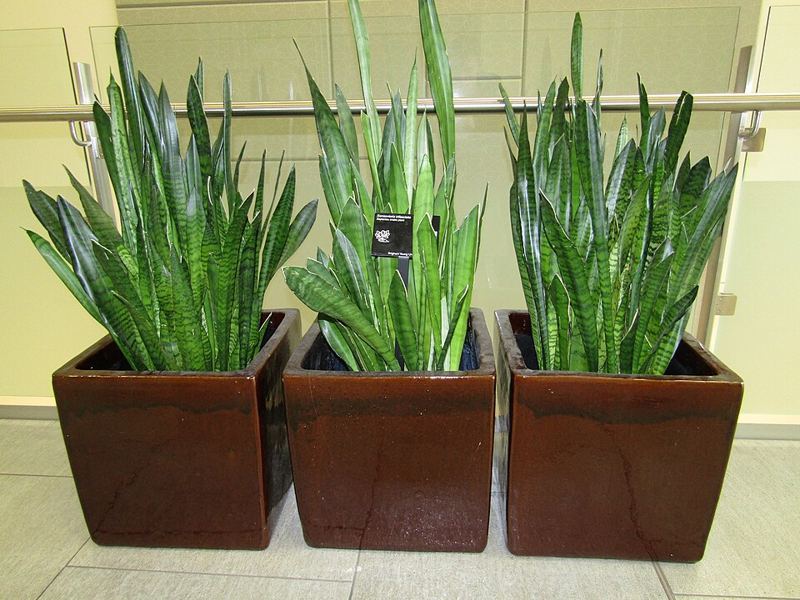 Snake Plant
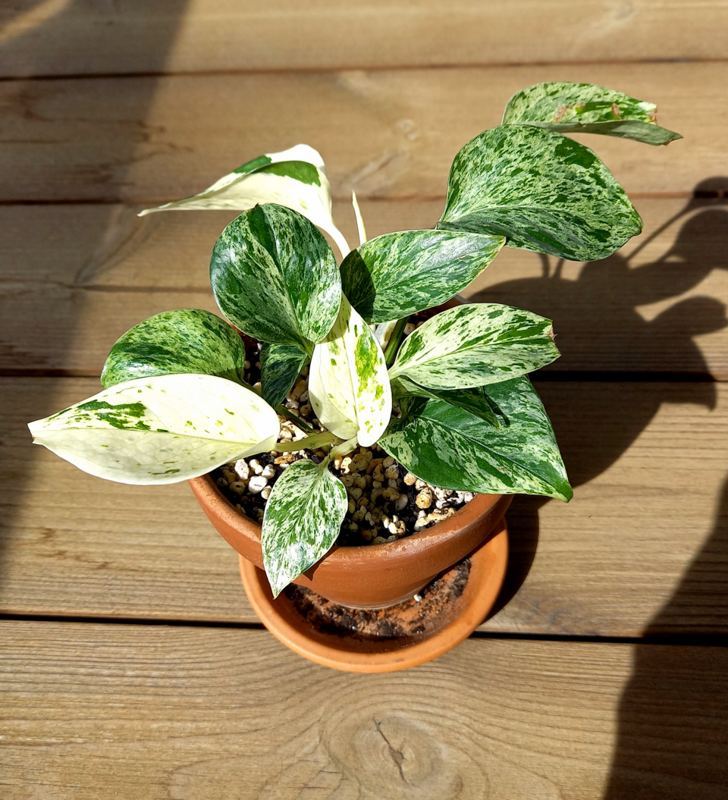 Pothos