

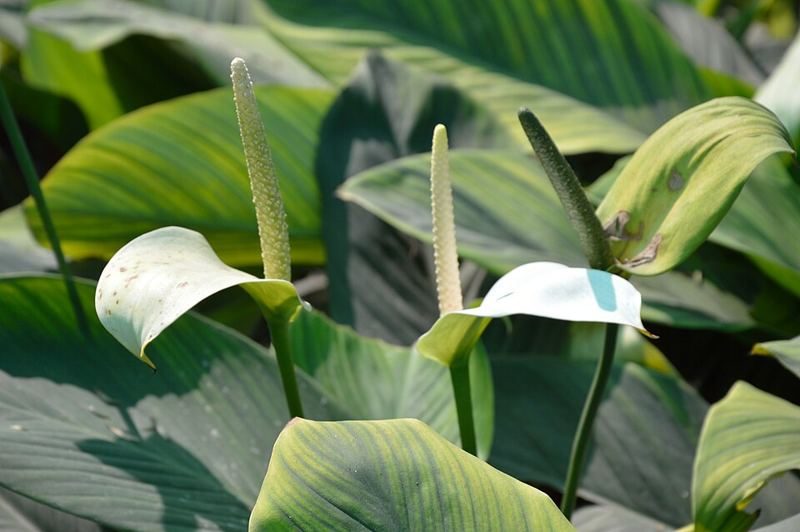
The ASPCA lists the peace lily as toxic to dogs and toxic to cats. Clemson’s extension factsheet agrees that the plant can cause toxicity in pets, and the ASPCA explains what it contains. This page sits under our peace lily care guide. It reports what these sources say and nothing more.
What the ASPCA says
On its plant page, the ASPCA gives the status in one line:
Toxicity: Toxic to Dogs, Toxic to Cats
The toxic principle it lists is insoluble calcium oxalates. In its article on the top 10 toxic plants for pets, the ASPCA describes what that means in practice. Peace lilies contain insoluble calcium oxalate crystals, which can cause stomach upset, drooling and mouth pain. It then adds a point that is easy to miss: since the crystals are not absorbed systemically, they don’t cause organ damage.
Read both statements together. The ASPCA treats the plant as toxic, and it also describes the harm it names as irritation of the mouth and stomach rather than damage to organs. We report both, and we do not turn the second into a reason to relax.
What the extension source adds
Clemson Extension’s peace lily factsheet makes the same point from a household angle. It says to be aware that calcium oxalate crystals are present in the plant cells and, if consumed, can cause toxicity in pets and children. That is a second source that names the same compound, and it adds children to the list.
UF/IFAS Gardening Solutions and UF/IFAS EDIS, the other extension sources we use for peace lilies, did not give a pet toxicity statement in the passages we recorded, so we cite only the ASPCA and Clemson here.
Cats, dogs and children
The ASPCA’s status line covers dogs and cats together, and we have no sourced reason to treat one species as safer than the other. Clemson’s note adds a third group, saying the crystals can cause toxicity in pets and children. We take that as a practical reason to keep the plant on a high shelf or in a room the animals and young children do not use, though our sources do not prescribe a placement.
What the sources do not say
The sources do not tell you how much plant causes a reaction, how long symptoms last or how severe they will be for a given animal. They do not rank the risk to cats against dogs either. The ASPCA’s line lists both. We will not add details that the sources do not give.
We also do not call the peace lily “pet safe.” The ASPCA says it is toxic, and we only use that phrase when ASPCA or an extension source says it.
What to do in practice
- Keep it out of reach. If your cat or dog chews houseplants, put the peace lily where the pet cannot get to it, or choose a different plant. This is common-sense advice rather than a claim from our sources.
- Know the plant's name. If a pet does eat some, a vet or poison line will want to know what it was. The ASPCA lists it as peace lily.
- Call for help rather than waiting. Contact your veterinarian or the ASPCA Animal Poison Control Center. They can advise on what to do for your particular animal.
Other plants we cover
Pet status differs a lot from one houseplant to the next, and we only report what the ASPCA or an extension source states. The snake plant and pothos pages cover two more plants the ASPCA lists as toxic. The spider plant page covers one where two ASPCA pages disagree (non-toxic on its plant page, mildly toxic in a 2019 article). For the plant itself, return to the peace lily care guide.
Frequently asked questions
Is a peace lily toxic to cats?
Yes, according to the ASPCA, which lists the peace lily as toxic to cats. Its plant page reads: Toxicity: Toxic to Dogs, Toxic to Cats.
Is a peace lily toxic to dogs?
Yes, according to the ASPCA, which lists the peace lily as toxic to dogs as well as cats.
What makes a peace lily toxic?
The ASPCA names insoluble calcium oxalates. Its article on toxic plants says peace lilies contain insoluble calcium oxalate crystals, which can cause stomach upset, drooling and mouth pain.
Do peace lilies cause organ damage in pets?
The ASPCA says that because the crystals are not absorbed systemically, they do not cause organ damage. It still lists the plant as toxic, so keep it out of reach.
What should I do if my pet chews a peace lily?
Call your veterinarian or the ASPCA Animal Poison Control Center. This is general safe advice, and a professional can say what your pet needs.
Sources
- Peace Lily, ASPCA Animal Poison Control
- Top 10 Toxic Plants for Pets: What to Look Out For, ASPCA
- Peace Lily, Clemson Cooperative Extension, Home and Garden Information Center