

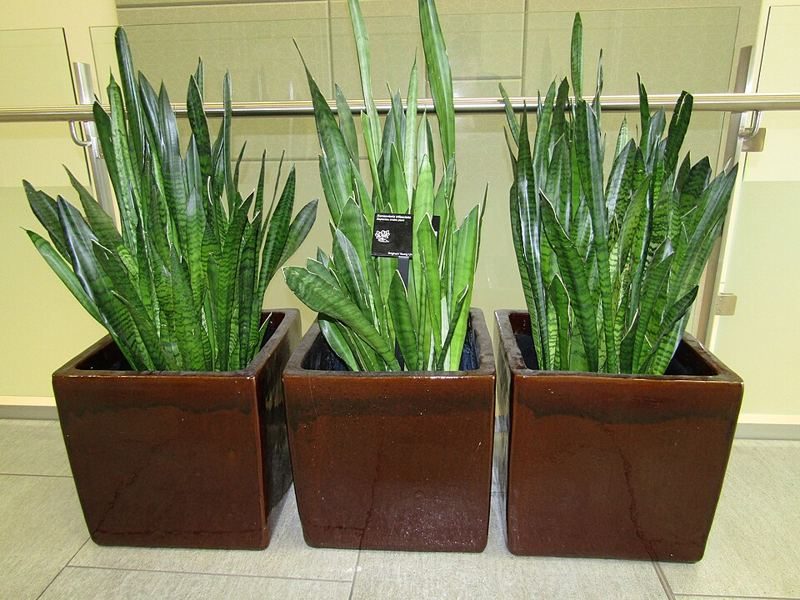
The ASPCA lists the snake plant as toxic to dogs and toxic to cats. That is the complete answer from the one source that specializes in this question, and Penn State Extension says the same thing in its own words. If you have pets that chew plants, the snake plant is one to place out of reach or to leave out. This page sits under our snake plant care guide and tells you only what these two sources say.
What the ASPCA says
The ASPCA keeps a searchable database of toxic and non-toxic plants. Its snake plant page gives the status in one line:
Toxicity: Toxic to Dogs, Toxic to Cats
The same page names saponins as the toxic principle, which is the group of compounds the ASPCA links to the plant’s toxicity. The page lists the scientific name as Sansevieria trifasciata. Many sources now call the plant Dracaena trifasciata, and the ASPCA has not changed its listing, so if you search the database yourself, use “snake plant” or the older name.
We read the ASPCA page for the toxicity status and the toxic principle. We have not recorded the symptoms it lists, so for the clinical signs, read the ASPCA snake plant page directly. We would rather send you to the source than paraphrase it from memory.
What the extension source adds
Penn State Extension’s snake plant article is not mainly about pets, but it includes a clear note. It says that if you have a pet, please note that all species of snake plant are toxic as they contain saponin toxins.
Two details are worth taking from this. The first is that it agrees with the ASPCA on the cause: saponins. The second is “all species,” which means a dwarf or banded cultivar is not a safe exception on that source’s say-so. The other extension sources we use for the snake plant, from NC State, Clemson and UGA, do not discuss pet toxicity in the passages we recorded.
What the sources do not say
Neither source, in the passages we recorded, tells you how much plant a pet must eat to become ill, how quickly signs appear, or how severe the illness is. We will not fill that gap. The ASPCA lists a status, not a dose, and we are not vets.
We also do not say that the snake plant is “pet safe.” The sources say the opposite, and “pet safe” is a phrase we only use when ASPCA or an extension source states it.
Dogs and cats: is there a difference?
Not on the sources we have. The ASPCA line names both species, and Penn State’s note refers to pets in general. We do not have sourced information that separates the risk to cats from the risk to dogs, so we treat the plant the same way for both: toxic according to the ASPCA, and best kept out of reach of either.
What to do in practice
- Keep it out of reach. If your cat or dog chews leaves, put the plant where the pet cannot get to it, or choose a different plant. This is common-sense advice rather than a claim from our sources.
- Know the plant's name. If a pet does eat some, a vet or poison line will want to know what it was. The ASPCA lists it as snake plant, Sansevieria trifasciata.
- Call for help rather than waiting. Contact your veterinarian or the ASPCA Animal Poison Control Center. They can advise on what to do for your particular animal.
Other plants we cover
Pet status varies a lot from plant to plant, and we only report what the ASPCA or an extension source states. Our peace lily and pothos pages cover two houseplants the ASPCA also lists as toxic, and our spider plant page covers one where two ASPCA pages disagree (non-toxic on its plant page, mildly toxic in a 2019 article). For the plant itself, return to the snake plant care guide.
Frequently asked questions
Is a snake plant toxic to cats?
Yes, according to the ASPCA, which lists the snake plant as toxic to cats. Its plant page reads: Toxicity: Toxic to Dogs, Toxic to Cats.
Is a snake plant toxic to dogs?
Yes, according to the ASPCA, which lists the snake plant as toxic to dogs as well as cats.
What makes a snake plant toxic?
The ASPCA names saponins as the toxic principle. Penn State Extension says all species of snake plant are toxic because they contain saponin toxins.
What should I do if my pet eats a snake plant?
Call your veterinarian or the ASPCA Animal Poison Control Center. This is general safe advice rather than a claim from our plant sources, and a professional can tell you what to do for your pet.
Sources
- Snake Plant, ASPCA Animal Poison Control
- Snake Plant: A Forgiving, Low-Maintenance Houseplant, Penn State Extension