

Of our 10 houseplants, only two have an ASPCA plant page that reads non-toxic to dogs and cats: spider plant and calathea. Seven are toxic by the sources: five by ASPCA plant pages (snake plant, peace lily, aloe vera, pothos, monstera) and two by other sources (ZZ plant, fiddle leaf fig). Rubber plant has no rating we could find. This guide gives each plant’s wording as the sources state it. We do not add safety claims beyond them, and “safe” here only ever means “the ASPCA rates it non-toxic.”
The table: all 10 plants
| Plant | Status as stated | Source |
|---|---|---|
| Spider plant | “Non-Toxic to Dogs, Non-Toxic to Cats” (plant page); a separate 2019 ASPCA article calls it “mildly toxic to dogs and cats” | ASPCA |
| Calathea | “Non-Toxic to Dogs, Non-Toxic to Cats, Non-Toxic to Horses” (Calathea spp.) | ASPCA |
| Snake plant | “Toxic to Dogs, Toxic to Cats”; toxic principle saponins | ASPCA |
| Peace lily | “Toxic to Dogs, Toxic to Cats”; toxic principle insoluble calcium oxalates | ASPCA |
| Aloe vera | “Toxic to Dogs, Toxic to Cats, Toxic to Horses”; toxic principles saponins and anthraquinones | ASPCA |
| Pothos (devil’s ivy) | “Toxic to Dogs, Toxic to Cats, Toxic to Horses”; toxic principle insoluble calcium oxalates | ASPCA |
| Monstera | “Toxic to Dogs, Toxic to Cats”; toxic principle insoluble calcium oxalates | ASPCA |
| Fiddle leaf fig | “Mildly toxic to dogs and cats” (ASPCA article); toxic to humans, cats and dogs if ingested (NC State) | ASPCA, NC State |
| ZZ plant | “Medium toxicity to cats and dogs” (NC State); “NOT Pet Safe” (Clemson) | NC State, Clemson |
| Rubber plant | Not rated by the ASPCA for Ficus elastica; NC State and Texas A&M give no pet information | ASPCA, NC State, Texas A&M |
Where a plant has two statements from the ASPCA or from different sources, we show both.
Plants rated non-toxic
Calathea. The ASPCA lists Calathea spp. as non-toxic to dogs, cats and horses. NC State adds one caution about the network plant (Goeppertia kegeljanii): it is “non-toxic to pets and humans; however, the sap can cause skin irritation.” Our research notes record that calathea is now classed as Goeppertia, and the ASPCA page we used lists the older Calathea name, so check the name on your label.
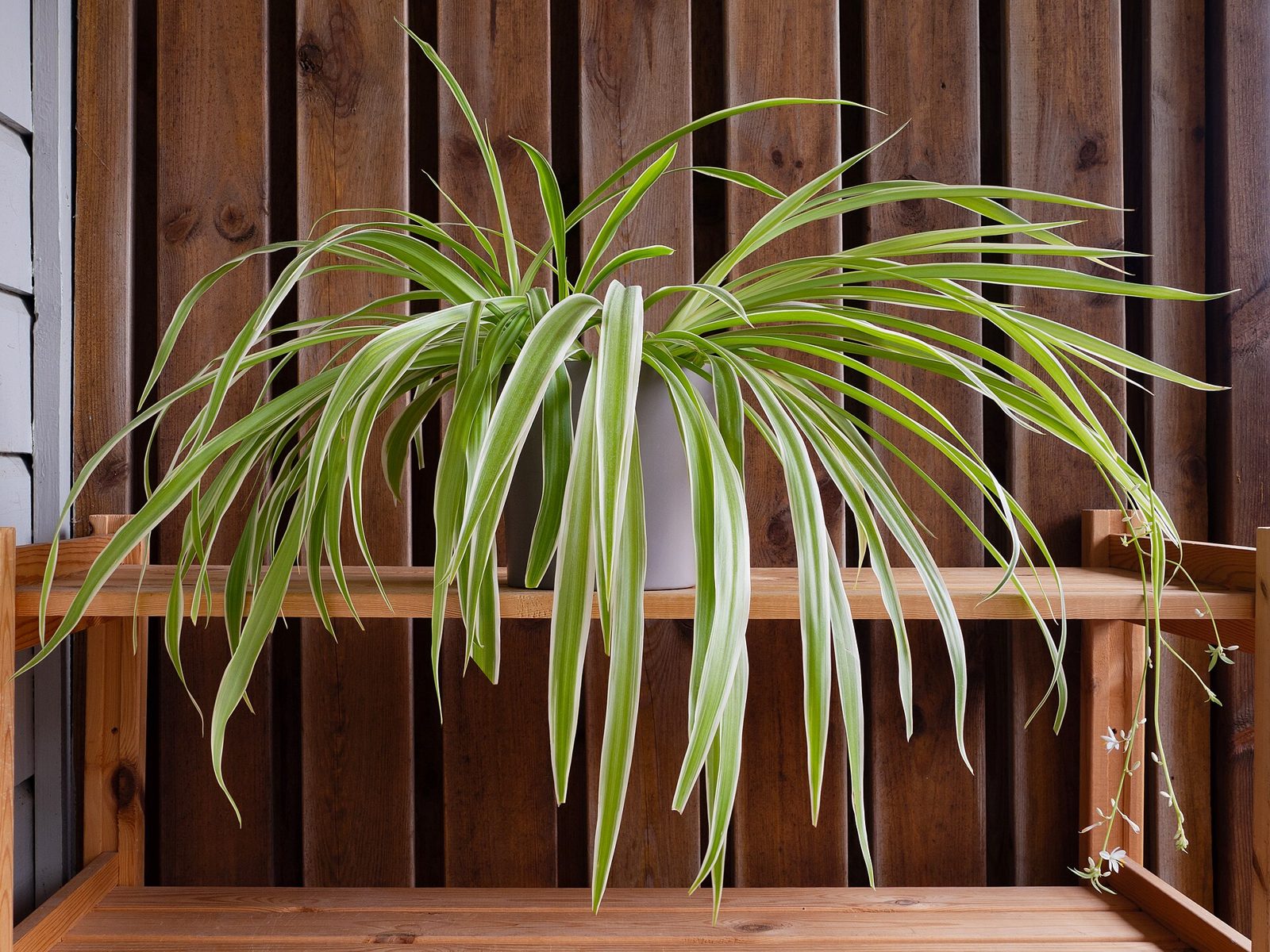
Spider plant. The ASPCA plant page reads “Non-Toxic to Dogs, Non-Toxic to Cats” for Chlorophytum comosum. But the ASPCA’s article on houseplants (February 2019) lists fiddle leaf fig and spider plant together under “Mildly Toxic Plants” and says both are “mildly toxic to dogs and cats,” with a risk of “mild gastrointestinal irritation” and vomiting and diarrhea as the most common signs. We do not know which statement the ASPCA would stand behind today, so we report both and leave it to you and your vet. This is the only conflict between ASPCA pages in our ten.
Plants rated toxic by the ASPCA
Five plants carry the ASPCA’s “Toxic to Dogs, Toxic to Cats” wording:
- Snake plant. The plant page names saponins. The page still lists the older name, Sansevieria trifasciata.
- Peace lily. The plant page names insoluble calcium oxalates. The ASPCA’s top-10 toxic plants article says the crystals can cause stomach upset, drooling and mouth pain, and that “since they are not absorbed systemically, they don’t cause organ damage.” Clemson adds that calcium oxalate crystals can cause toxicity in pets and children if consumed.
- Aloe vera. The page names saponins and anthraquinones and lists the signs as vomiting, lethargy and diarrhea.
- Pothos. The page (listed as devil’s ivy) names insoluble calcium oxalates and lists oral irritation, pain and swelling of the mouth, tongue and lips, excessive drooling, vomiting and difficulty swallowing. Clemson calls all parts “mildly toxic if ingested.” Wisconsin Extension says it is toxic in large quantities.
- Monstera. The page names insoluble calcium oxalates, with oral irritation and drooling among the signs.
Aloe and pothos are also toxic to horses
The ASPCA’s pages for aloe vera and pothos add “Toxic to Horses.” Calathea’s page adds “Non-Toxic to Horses.” The other pages we used do not list a horse rating.
Plants described as toxic outside the ASPCA plant pages
Fiddle leaf fig. The ASPCA 2019 article spells the plant “Ficus lyrate” and says it is mildly toxic to dogs and cats, with sap that “could also cause skin irritation.” NC State says it is toxic to humans, cats and dogs if ingested, and lists the sap as a skin irritant. Our sources include no ASPCA plant page rating for it, so this status rests on the article and NC State.
ZZ plant. The ASPCA’s own ZZ plant entry returned only a list shell with no species rating when we checked, so we have no ASPCA cat or dog status for it. NC State’s profile says “medium toxicity to cats and dogs” with diarrhea and vomiting if leaves are consumed in quantity. Clemson says “NOT Pet Safe.” An ASPCA news article lists ZZ plant among insoluble calcium oxalate plants and says “these types of plants are toxic,” but gives no cat or dog split.
The plant we cannot rate
Rubber plant (Ficus elastica). We found no ASPCA entry for this species, and neither NC State nor Texas A&M gives pet information. The ASPCA’s “Indian rubber plant” page is Ficus benjamina, which is a different plant. Do not assume one carries the status of the other. Until a source rates Ficus elastica, the honest answer is “not stated by our sources.”
Practical steps, within what the sources support
- Match by scientific name, not common name. The rubber plant example shows why: the same common name can point to two species.
- Keep any houseplant out of reach. This is general precaution, not a statement about a particular plant. None of our sources tell you that a non-toxic plant is harmless to chew.
- Call your vet or the ASPCA Animal Poison Control Center if your pet eats a plant. Our sources do not give treatment steps.
- Remember dates. The ASPCA houseplant article is from 2019; plant pages can change.
For picking plants by light, see low light plants. For how forgiving each plant is, see easy houseplants.
Short version
Spider plant and calathea are the two with an ASPCA non-toxic plant page, and spider plant has a conflicting ASPCA article. Snake plant, peace lily, aloe vera, pothos and monstera read “Toxic to Dogs, Toxic to Cats.” Fiddle leaf fig and ZZ plant are described as toxic in articles and extension profiles, and rubber plant has no rating we could find.
Frequently asked questions
Which common houseplants does the ASPCA list as non-toxic to cats and dogs?
Of our 10 plants, two have an ASPCA plant page reading non-toxic to dogs and cats, spider plant and calathea. Spider plant also appears as "mildly toxic" in a separate 2019 ASPCA article, so the ASPCA's own pages conflict on it.
Are snake plant, pothos, peace lily and monstera toxic to cats and dogs?
Yes, per the ASPCA plant pages. Each reads "Toxic to Dogs, Toxic to Cats". Snake plant lists saponins as the toxic principle, and peace lily, pothos and monstera list insoluble calcium oxalates.
Is a rubber plant safe for pets?
We cannot say. We found no ASPCA rating for Ficus elastica, and NC State and Texas A&M give no pet information. The ASPCA's "Indian rubber plant" page is Ficus benjamina, a different plant.
What should I do if my pet eats a houseplant?
Contact your veterinarian or the ASPCA Animal Poison Control Center. Our sources do not give treatment steps, so we do not offer any.
Sources
- Snake plant, toxic and non-toxic plants, ASPCA
- Peace lily, toxic and non-toxic plants, ASPCA
- Top 10 toxic plants for pets and what to look out for, ASPCA
- Spider plant, toxic and non-toxic plants, ASPCA
- Aloe, toxic and non-toxic plants, ASPCA
- Devil's ivy (pothos), toxic and non-toxic plants, ASPCA
- Calathea, toxic and non-toxic plants, ASPCA
- Swiss cheese plant (monstera), toxic and non-toxic plants, ASPCA
- Houseplants safe for your pets (2019), ASPCA
- These houseplants can cause trouble for your pets, ASPCA
- Ficus lyrata (fiddle-leaf fig), Plant Toolbox, NC State Extension
- Ficus elastica (rubber plant), Plant Toolbox, NC State Extension
- Rubber plant, Texas A&M AgriLife, Aggie Horticulture
- Zamioculcas zamiifolia (ZZ plant), Plant Toolbox, NC State Extension
- ZZ plant, indoor care and growing tips, Clemson Home & Garden Information Center
- Goeppertia kegeljanii (network plant), Plant Toolbox, NC State Extension