

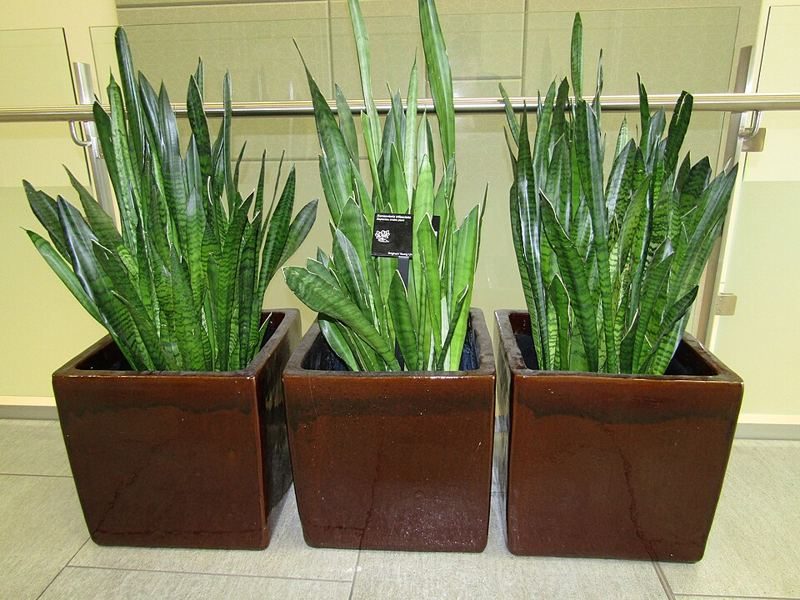
Bright, indirect light is ideal for a snake plant, and it will also put up with low light. That is what Clemson, Penn State and NC State say between them. Where the sources split is direct sun: Penn State warns against it, and NC State allows a few hours. This page lays out each position so you can choose a spot. For the rest of the plant’s needs, see our snake plant care guide.
What each source says
Clemson
Penn State
NC State
UGA
The conflict: direct sun
Penn State says direct sun can burn the plant. NC State, by contrast, recommends direct sun for only part of the day, 2 to 6 hours, while also saying the plant tolerates very low light. These are not easy to reconcile, and our sources do not explain the difference. Clemson’s wording, bright and indirect, agrees with Penn State.
If you want to follow the cautious reading, put the plant near a window but out of the sun’s direct path. If you want to try NC State’s range, treat it as an experiment. Watch the leaves, and if any look burned, move the plant back. Penn State’s warning is about burning, so burned leaves are the signal to act on.
Low light
Low light is the snake plant’s best-known trick, and two sources back it. Penn State says it tolerates low-light areas very well. NC State says it tolerates very low light. Neither says low light is better for the plant, and Clemson still calls bright, indirect light ideal. Our reading is that low light is survivable and bright indirect light is the target.
Practical placement
- Bright room, no hard sun: the match for Clemson and Penn State’s preferred conditions.
- Dim room: acceptable, by Penn State and NC State. Water carefully, because every source names overwatering as the main risk.
- Window with some direct sun: within NC State’s allowance. Limit the exposure to a few hours of the day and watch for burns (Penn State’s concern).
Our sources do not say which direction a window should face, how far from the glass the pot should sit, or how many hours of light a day the plant wants.
How to test a spot
Before you commit, watch the spot on a sunny day. Note whether the sun ever reaches the leaves and for how long. If it is more than a couple of hours, you are in NC State’s range or beyond it, and Penn State’s warning about burning applies. If the sun never reaches the plant, you are in low light, which Penn State and NC State say the plant tolerates. Either way, you now know which source’s advice you are following.
Light and watering together
The sources treat light and water as separate rules. Water when the soil has dried (NC State, Clemson). In a darker spot the soil may take longer to dry, so check it before you water rather than keeping to a fixed schedule. Clemson says to water every 2 to 4 weeks in the growing season and every 4 to 6 weeks in fall and winter, and NC State says every one to two months in winter. Our care guide goes through these ranges.
What our sources do not tell you
Our sources give no foot-candle figure, no hours-per-day target for bright indirect light, and no window direction. They also do not say how a snake plant responds to a long stretch in low light, such as whether growth slows. If you need that detail, ask your state extension office.
Frequently asked questions
How much light does a snake plant need?
Clemson says the ideal lighting is bright and indirect. Penn State says it enjoys bright indirect light but tolerates low-light areas very well, and NC State says it tolerates very low light.
Can a snake plant take direct sun?
The sources disagree. Penn State says to keep it out of the direct sun because it can burn. NC State says to place it where it receives direct sunlight only part of the day, 2 to 6 hours.
Will a snake plant survive in a dark room?
Penn State says it tolerates low-light areas very well and NC State says very low light. Neither says it thrives there, and both name brighter light as the better situation.
Does light change how often I water?
Our sources do not link the two directly. They tell you to let the soil dry between waterings, so a plant in a dim room, where the soil may take longer to dry, may need water less often. Check the soil each time.
Sources
- Exciting Houseplant Selections for Beginners, Clemson Cooperative Extension, Home and Garden Information Center
- Snake Plant: A Forgiving, Low-Maintenance Houseplant, Penn State Extension
- Dracaena trifasciata (Mother-in-law's Tongue), NC State Extension Plant Toolbox
- Snake Plant: A Striking and Durable Houseplant, University of Georgia Extension, Forsyth County